
House Clearance And Recycling Centres are essential for sustainable waste management. They process electronics, textiles, and hazardous waste, reduce landfill waste, conserve resources, and combat climate change. Key practices include dedicated areas for specific waste types, strategic space planning, community engagement, and proper recycling of common items like paper, glass, plastic, metal, and fabric. Future advancements in AI-powered sorting, expanding services, and public education will further revolutionize these centres' role as catalysts for a sustainable future.
In today’s world, responsible waste management is a pressing issue, with House Clearance And Recycling Centres playing a pivotal role in sustainable practices. As the need for eco-friendly solutions grows, understanding local recycling centers becomes essential. This comprehensive guide aims to demystify the process, offering an authoritative insight into how these facilities operate and their significant impact on our environment. We’ll explore various aspects, from common recycling misconceptions to the intricate processes involved, empowering readers with knowledge to make informed choices. By the end, you’ll be equipped to navigate House Clearance And Recycling Centres effectively, contributing to a greener future.
- Understanding Local Recycling Centers: A Foundation for Change
- House Clearance And Recycling Centre: Benefits Beyond Belief
- Navigating Waste Streams: What Can Be Recycled?
- Best Practices for Effective Recycling: Tips from the Experts
- The Future of Sustainability: Trends in Recycling Centers
Understanding Local Recycling Centers: A Foundation for Change
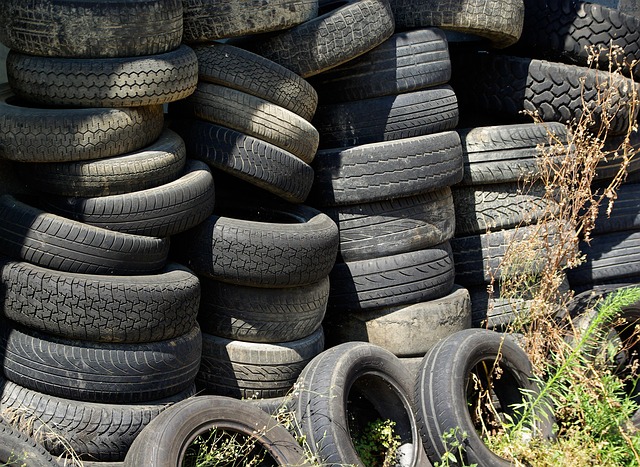
Local Recycling Centers are more than just facilities; they are the cornerstone of any sustainable future. Understanding these centers and their functions is crucial in our collective effort to minimize the environmental impact of house clearance. The process of converting waste into resources, these centers play a pivotal role in reducing landfill waste, conserving natural resources, and mitigating climate change.
Consider the environmental footprint of house clearance, particularly the disposal of large items like heavy furniture. According to recent data, up to 40% of household waste can be recycled or reused, yet many make top recycling mistakes at home, such as contaminating materials or failing to separate items properly. By utilizing dedicated House Clearance and Recycling Centres, individuals and businesses can significantly improve their recycling rates. These centers often provide specialized facilities for processing materials like electronics, textiles, and even hazardous waste, ensuring proper disposal and preventing pollution.
For instance, consider the process of recycling heavy furniture. Local centers equipped with the right machinery can break down these items, separating materials like wood, metal, and foam for reuse. This not only reduces the volume of waste sent to landfills but also creates a demand for recycled materials in various industries. By partnering with sustainable junk removal services, like Sustainable Junk Removal, residents can ensure their clearances contribute to a circular economy.
Furthermore, staying informed about local recycling practices is essential. Understanding what can and cannot be recycled, the proper preparation of materials, and the unique challenges posed by large item disposal tips for heavy furniture can transform recycling from a chore into a meaningful contribution to our community and the environment. By adopting these practices, we can collectively foster a healthier planet for future generations.
House Clearance And Recycling Centre: Benefits Beyond Belief

House Clearance And Recycling Centres offer more than just a convenient service; they represent a commitment to sustainability and responsible resource management. When considering a house clearance, these centres provide numerous benefits beyond simple waste removal. For instance, they facilitate the proper recycling of materials that would otherwise end up in landfills, such as electronics, furniture, and even textiles. This not only reduces environmental impact but also contributes to local economic development by creating job opportunities in sorting and repurposing materials.
Choosing the right house clearance service is a critical step. Look for centres with robust infrastructure capable of handling diverse waste streams, including hazardous materials like e-waste. Proper disposal of electronics, often referred to as e-waste, is essential due to their high concentration of toxic substances. Centres equipped with dedicated e-waste collection points ensure these items are recycled or disposed of according to environmental regulations, preventing soil and water contamination. For instance, statistics show that recycling one ton of computers can save up to 500 pounds of iron, 300 pounds of plastic, and 48 pounds of gold.
Optimizing space is another advantage of engaging these services. Many people live in small homes or apartments where creative storage solutions are essential. House clearance specialists can offer insights into efficient space utilization and suggest cost-effective ways to maximize available square footage. For example, vertical storage systems, under-bed containers, and multi-functional furniture can transform seemingly unused areas into practical storage spaces. By integrating these ideas with the services of a well-chosen house clearance and recycling centre, you can achieve a more organized living environment while contributing to environmental preservation.
Navigating Waste Streams: What Can Be Recycled?

Navigating waste streams effectively is a cornerstone of responsible household management, especially when it comes to house clearance and recycling centres. Understanding what can be recycled and how best to dispose of various items significantly reduces environmental impact and contributes to community sustainability efforts. Common recyclable items include paper products, glass bottles and jars, plastic containers, metal cans, and certain types of fabric. These can typically be dropped off at local recycling centres, which often have dedicated areas for specific waste streams like cardboard, electronics, and hazardous materials.
When dealing with larger items such as heavy furniture, it’s important to consider the unique challenges posed by their size and weight. Local house clearance and recycling centres usually provide drop-off points or pick-up services for these items, though there may be associated fees. Planning ahead is crucial; checking with your local centre about acceptable materials and schedules ensures a smoother process. For instance, many centres organize specific collection days for bulky waste, allowing residents to dispose of larger items responsibly without overburdening regular recycling streams.
Electronics recycling is another critical aspect that deserves special attention. Devices like computers, phones, and TVs contain hazardous materials that require specialized handling. Fortunately, most local waste disposal options include dedicated e-waste drop-off points or partner with certified electronics recyclers. Visiting us at your local house clearance and recycling centre can provide access to these services, ensuring electronic waste is responsibly recycled rather than ending up in landfills. According to EPA data, proper recycling of electronics can prevent the release of toxic substances while conserving valuable resources.
Moreover, staying informed about acceptable materials and practices enables residents to actively participate in their community’s sustainability initiatives. Regularly reviewing local guidelines for what can be recycled helps ensure that efforts made during house clearance are aligned with environmental goals. By adopting these best practices and leveraging available resources at local recycling centres, individuals contribute to a cleaner, healthier planet.
Best Practices for Effective Recycling: Tips from the Experts

In the world of house clearance and recycling centre management, maximizing space efficiency is a key challenge, especially for facilities handling diverse materials from residential clearances. To optimize this process, experts recommend strategic planning that considers both the physical layout and consumer behavior. Creative storage ideas for small homes, adapted to fit recycling centers, can dramatically enhance operational productivity. For instance, vertical stacking systems, compact shelving, and modular bins not only save floor space but also facilitate faster sorting processes. By implementing these practices, local recycling centers can significantly increase their throughput, enabling them to handle larger volumes of material without compromising accuracy or efficiency.
The ultimate guide to local recycling centers should equip stakeholders with actionable tips tailored to specific challenges. One proven strategy is to assign dedicated zones for different types of recyclables, making it easier for sorting personnel to locate and process items promptly. Additionally, regular audits and inventory management systems ensure that materials are accounted for, reducing waste and maximizing the environmental benefits of recycling efforts. For instance, data from the EPA suggests that proper recycling practices can divert a significant portion of household waste from landfills, contributing to sustainable space optimization in communities across the nation.
In terms of house clearance and recycling centre best practices, engaging the community plays a crucial role. Educational campaigns that promote the benefits of recycling and provide clear guidelines on what is recyclable can significantly increase participation rates. Furthermore, offering convenient drop-off points and scheduling options makes it easier for residents to contribute, fostering a culture of responsible waste management. To illustrate, a recent study found that communities with active community engagement in recycling initiatives saw an average 20% increase in overall recycling rates. As previously mentioned, visiting us at Green Waste Management can offer more tailored insights and creative solutions tailored to your specific house clearance and recycling centre needs, helping you stay ahead in this constantly evolving landscape.
The Future of Sustainability: Trends in Recycling Centers

The future of sustainability in recycling centers is an exciting, ever-evolving landscape, with innovations and trends that signal a promising path forward for waste management. As the global push for eco-friendly practices intensifies, local recycling centers are at the forefront of these changes, playing a pivotal role in shaping a greener future. One of the most significant trends is the integration of advanced technologies to streamline processes and improve efficiency. For instance, automated sorting systems, utilizing artificial intelligence, can identify and categorize materials with remarkable accuracy, reducing manual labor and increasing overall productivity.
House clearance and recycling centers are also adopting more comprehensive approaches to recycling, extending their services to include specialized areas such as recycling electronics, a critical component of modern waste streams. What was once considered e-waste is now being transformed into valuable resources through proper handling and processing. With proper guidance, individuals can contribute to this effort by utilizing local recycling centers for their electronic devices, ensuring responsible disposal and the recovery of valuable materials. Home organization plays a key role in this process, as efficient storage and decluttering facilitate easier separation of recyclables during house clearance operations.
Furthermore, there is a growing emphasis on educating the public about the importance of recycling and its impact on the environment. Many recycling centers are evolving into community hubs, offering workshops, events, and informative sessions to raise awareness. For example, some centers provide detailed guidelines on recycling what you need to know, such as the correct disposal of hazardous materials, ensuring that residents have access to the necessary knowledge to make informed choices. By combining cutting-edge technologies, extended recycling services, and public education, local recycling centers are poised to become powerful catalysts for a more sustainable future, with the potential to revolutionize waste management as we know it. This shift not only benefits the environment but also fosters a sense of collective responsibility among residents, who can actively contribute to a cleaner, healthier world through their everyday choices.
By exploring the multifaceted world of local recycling centers through sections like House Clearance And Recycling Centre, Understanding their role as catalysts for change, and navigating the diverse waste streams they manage, readers have gained invaluable insights. The article highlights the numerous benefits beyond environmental conservation, such as resource recovery and cost savings. Best practices from expert tips emphasize the importance of proper sorting, contamination prevention, and community education. Looking ahead to the future, recycling centers are poised for growth, driven by innovative technologies and changing consumer demands. Practically speaking, readers are now equipped to actively participate in sustainable living by utilizing local House Clearance And Recycling Centre services effectively, contributing to a greener, more resilient future.